
Author Q & A: Kwai-Cheung Lo Surveys a Century of China's Ethnic Minority Cinema
New WEAI Studies title uncovers pockets of reclamation and resistance among filmed depictions of non-Han peoples.
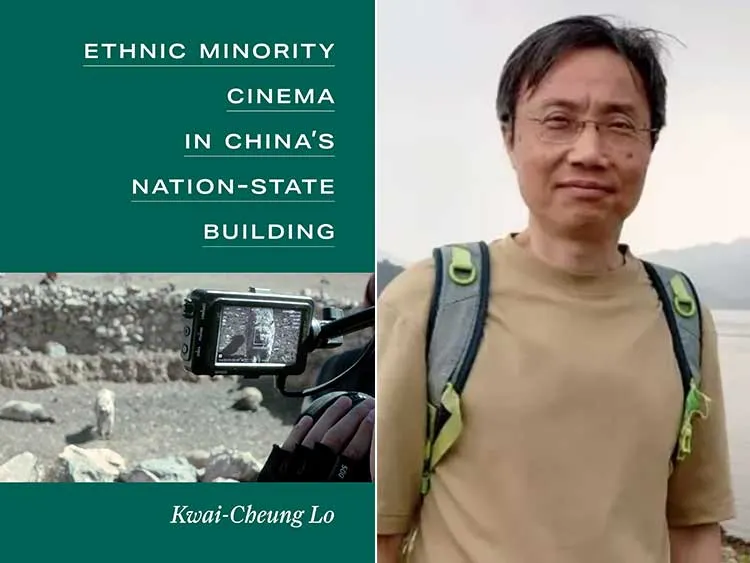
A groundbreaking work of Chinese media studies, Ethnic Minority Cinema in China’s Nation-State Building (University of Michigan Press, 2025) by Hong Kong Baptist University professor Kwai-Cheung Lo is a sweeping yet rigorous analysis of the myriad ways in which China’s non-Han ethnic minorities have been represented on film over the past century. Beginning with the early Republican era (when both the country and cinema itself were fledgling enterprises) and continuing through the decades of Mao’s rule, into the Reform era and up to the present day, Professor Lo explores how filmed representations of China’s Tibetans, Uighurs, and other minority populations are implicated in “the violent logic of official history,” whether as overt or covert propaganda for the nation-state building project.
At the same time, though, Professor Lo uncovers surprising pockets of reclamation and resistance in this history, particularly later in the twentieth century when new means of production and distribution begin to allow ethnic minority artists greater control over how their lives are depicted on screen(s). “Frontiers that separate inside and outside are never fixed,” he writes, summarizing the precarious position of non-Han creators simultaneously negotiating literal borders and boundaries as well as the less tangible ones that surround what’s permissible is a tightly policed media environment.
Kwai-Cheung Lo is Professor and Chair of the Department of Humanities and Creative Writing at Hong Kong Baptist University. Via email, he answered questions about his new book.
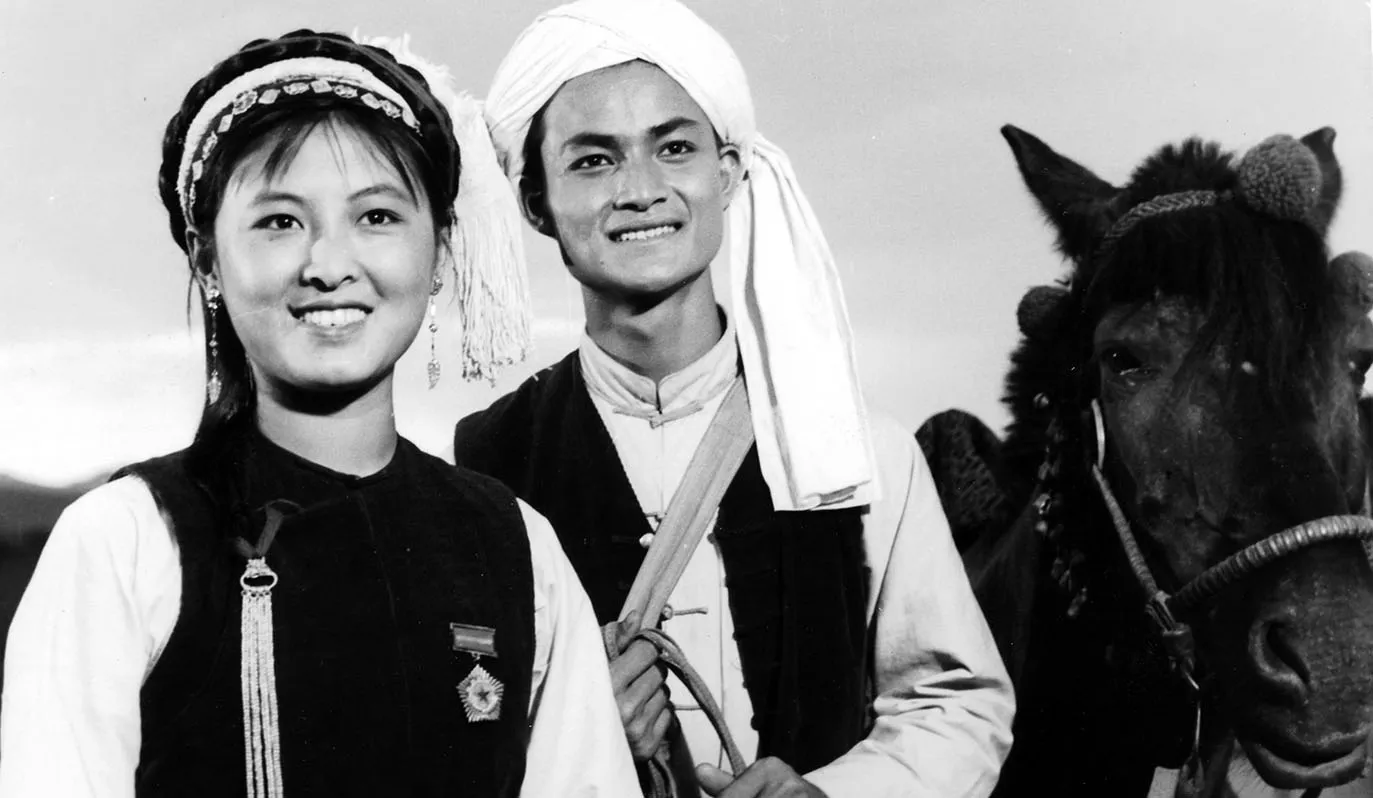
An ecological metaphor runs all through your discussion of ethnic minority cinema in China, which expands the scope and makes this book something more than a standard work of media studies. When did you know this ecological metaphor was going to be central to the book, and how did it shape your approach to the material?
Kwai-Cheung Lo: The metaphor means more than a metaphor. It actually comes rather spontaneously. Most of China’s ethnic minority films are “rural films” in a broad sense. The more I work on them, the more I find that their underlying issues are about ecologies, that is, the very nature of their being, environment, and becoming in the entangled relationship with the Chinese nation-state and the mainstream Han-majority society.
If metaphor is mainly about representation, my “ecological metaphor” refers more to the ways in which connections and rapports are created and negotiated in the interactions between the Chinese nation-state and the non-Han ethnic minorities. If a metaphor is built on the binary relationship between a symbol and an entity, my ecological approach is to loosen such a duality by arguing how China’s ethnic issues could have strong implications for understanding the long chain and network of complicated connections in the ecosystem.
However, ecology in my book carries metaphorical implications because it is more than its Greek etymological root designating “household,” “dwelling place,” or “family.” Visual representation is my main concern for understanding how complex interethnic relationships in agency and power relations are articulated and contested cinematically.
Your book spans several distinct historical eras on either side of the founding of the PRC in 1949. But even a non-specialist reader will recognize certain continuities in ethnic minority cinema that extend all the way from the early Republican era into the twenty-first century. Were you surprised by the extent of those continuities?
Lo: The lack of significant policy changes addressing ethnicity issues in China from the early Republican era to the present century surprised me. The continuities in ethnic minority cinema, such as structural inequalities and forced assimilation, serve as a blunt indicator that these issues persist, regardless of the era.
However, waves of idealizing and romanticizing ethnic minorities also come and go throughout modern Chinese history. From the “Northwest Fever” in the Republican era of the 1930s for national revival to resist foreign encroachment, through Mao’s China embracing ethnic minorities as a new energy for the unending revolution in the 1950s, to the Han Chinese society’s fetishization of ethnic cultures as a spiritual refuge against overwhelming commodification and a primitivist lifestyle to deal with environmental degradation in the early twenty-first century, we can see modern China continues to fear, discriminate against, and fetishize the small numbers of ethnic minorities by treating and perceiving them contradictorily.
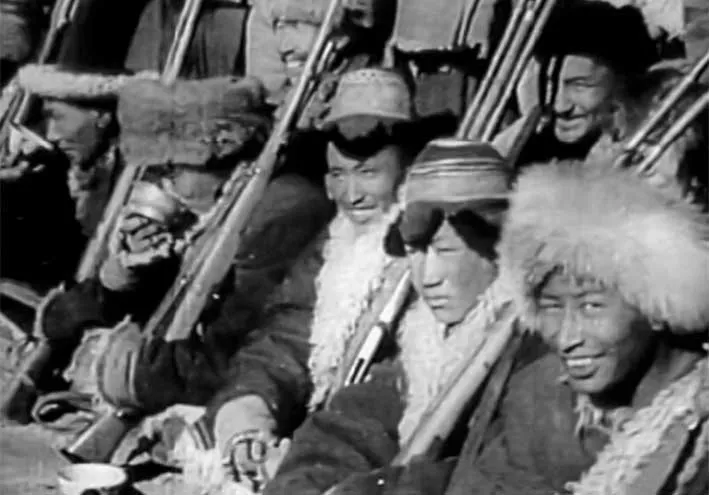
Your opening chapter about the Republican era introduces the concept of “cinematicity,” a term for media that abut or even intersect with what we think of as cinema proper, like photo magazines and popular travel narratives. How does the idea of cinematicity help us understand the early decades of ethnic minority cinema?
Lo: “Cinematicity” is a term I borrowed from media studies to analyze how some Han Chinese travelers and photojournalists appropriated the photo images of non-Han ethnic people to generate new narratives to integrate the borderlands into Han-based China to serve the objective of national unification under the severe threats from the foreign invaders in the 1930s and 1940s. The idea of cinematicity may help us understand how the Han Chinese endeavored to use the joint force of different media to integrate ethnic minorities into a nationalist narrative.
However, Zheng Junli’s documentary Long Live the Nations (1941) reveals how the amateur ethnic actors’ unthinking body gestures challenge the attempt to stage the ethnic minorities as an integral part of the Chinese national unity and defy the medial role imposed on them. Cinematicity may also help us consider the mutual borrowing between ethnographic documentaries and fiction films in socialist ethnic cinema after 1949. For example, the fiction film about the Chinese annexation of Tibet, Serfs (1963), directly uses footage from the documentary Millions of Serfs Arise (1959) to serve propagandist purposes.
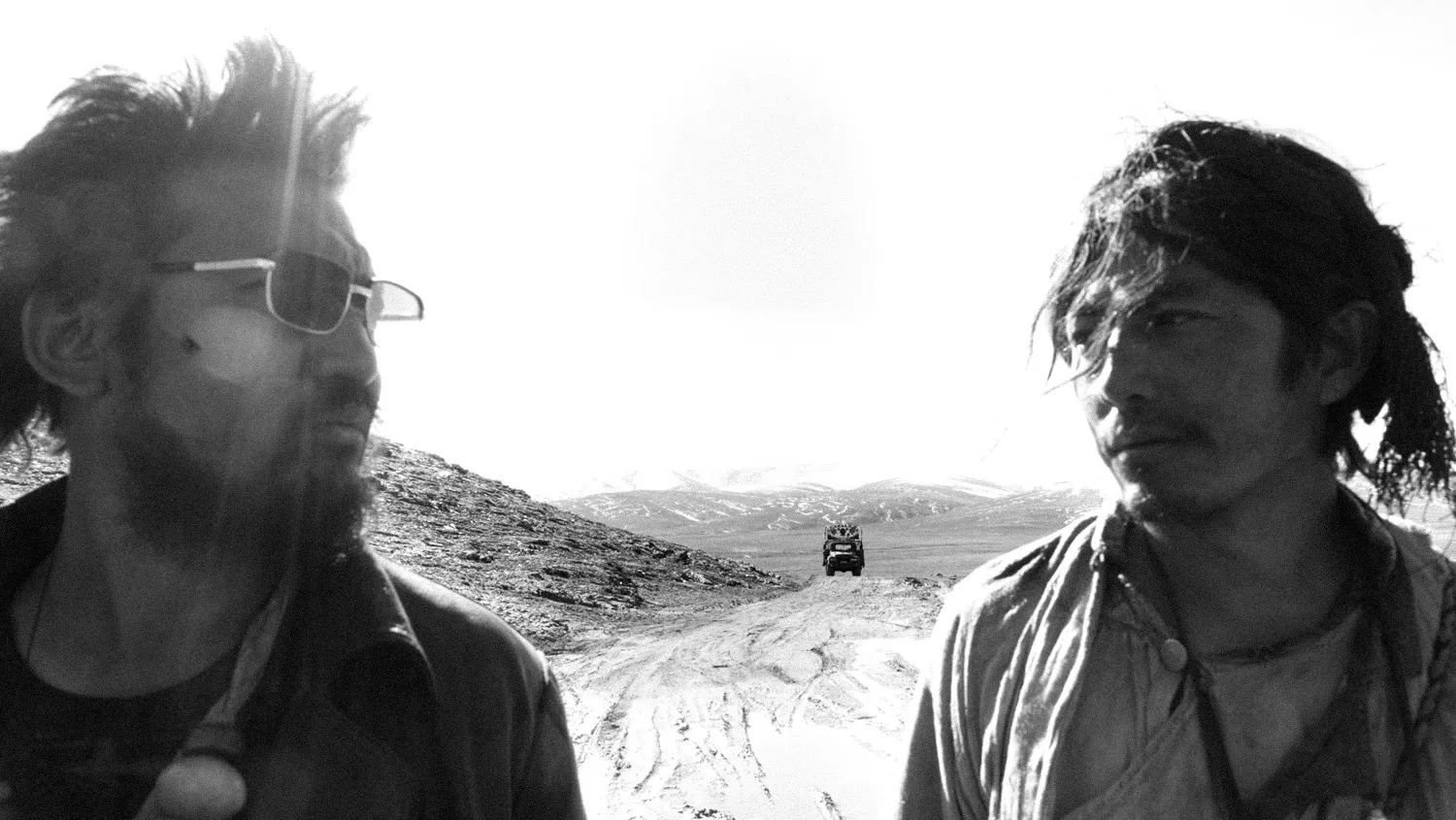
Ethnic Minority Cinema in China’s Nation-State Building is in some respects a bleak survey, yet you repeatedly uncover moments of self-assertion from artists working in exceptionally difficult circumstances. How pessimistic or how optimistic should we be about the likelihood of ethnic minority filmmakers still being able to do this in the present era?
Lo: History proves that no matter how challenging the situations were, some artists have successfully asserted their work. Despite the unexpected loss of Tibetan filmmaker Pema Tseden, the potential of China’s ethnic minority cinema remains. Pema Tseden’s ability to navigate the stringent censorship system and continue to produce and release his films, inspired by filmmakers in Iran, is a testament to the resilience and potential of ethnic minority filmmakers.
Late in the book you raise the potential pitfalls of representation and “authenticity” that may trail artists who are presumed to speak, rightly or wrongly, for an ethnic minority. Are questions of authenticity and the like somehow tied in with the more recent rise in international exposure for such filmmakers, whether through film festivals or online distribution, for instance?
Lo: Authenticity, in my view, is a double-edged thing for ethnic minority filmmakers. It’s a trap as well as a channel or an opening. The idea, which is associated with ethnic stereotypes, has been circulating long before the recent rise in international exposure through international film festivals and online distribution. China’s ethnic minority cinema was created in the early years of the PRC to satisfy the craving eyes of the Han majority. Although PRC ethnic films are required to serve political and propagandist functions, Han-dominated production teams have tried to recruit more non-Han people in the movies to make them look more authentic. In the reform era of the 1980s-1990s, discussion surfaced to differentiate Han-made ethnic minority films as “minority-themed films” from those made by non-Han filmmakers themselves, suggesting the emergence of the idea of authenticity in Chinese society. Such a belief in or manipulation of authenticity draws the exotic gaze domestically and internationally, and it is not a very recent development.